
The truth behind gambling myths What you really need to know
Understanding Common Gambling Myths
Many people hold misconceptions about gambling, often fueled by myths that have been passed down through generations. One prevalent myth is that certain games are “due” for a win, leading players to believe that they can influence outcomes based on previous results. In reality, most casino games are governed by random number generators, which ensure that each spin, roll, or hand is independent and cannot be predicted. As you explore the world of gambling, consider trying out the best online pokies nz available, as they offer exciting experiences and unique opportunities.
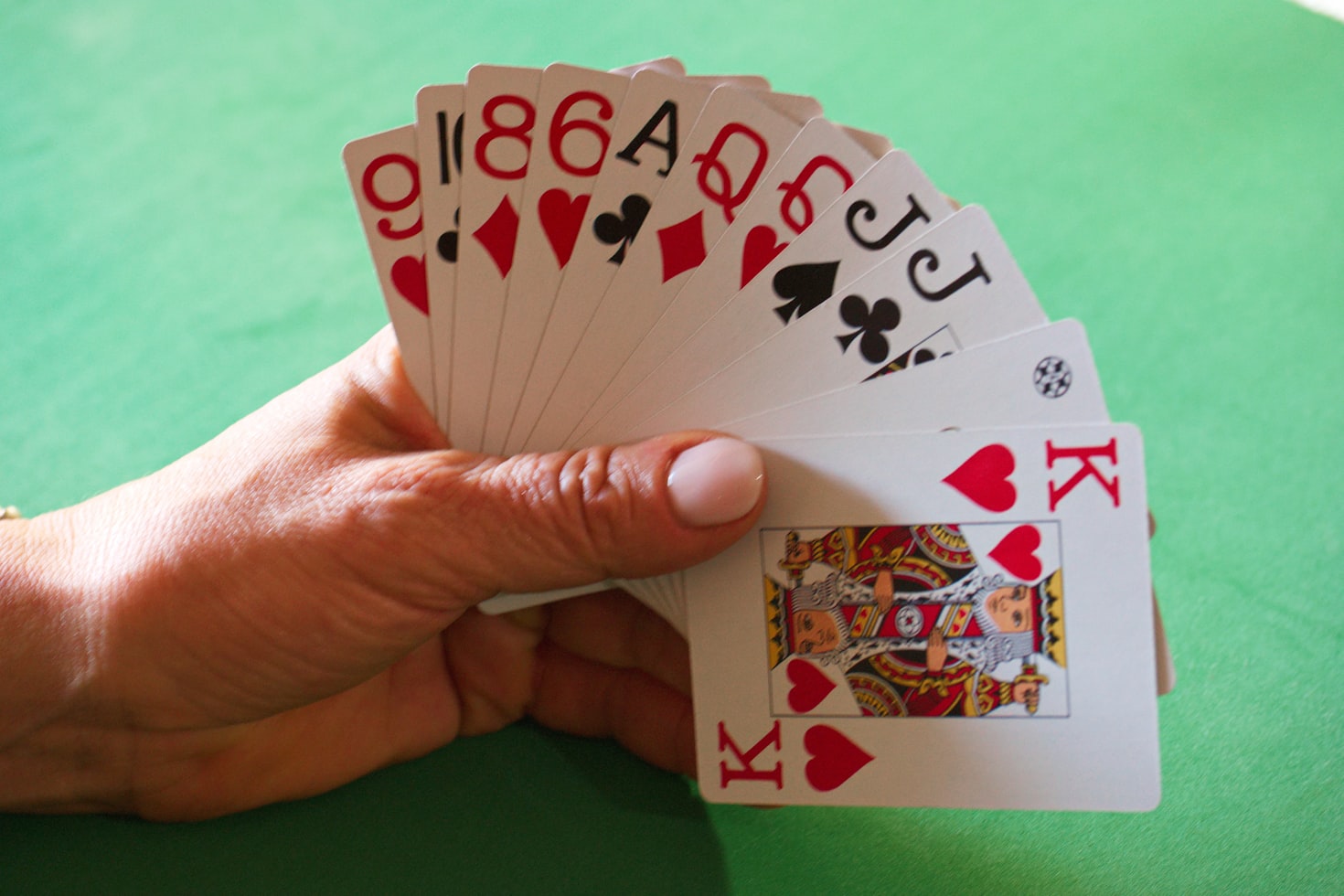
Another common belief is that players can gain an advantage through betting strategies or systems. While some strategies might offer a psychological edge, they do not alter the house edge. Understanding these myths is crucial for any player who wants to engage in gambling responsibly and with realistic expectations.
The Odds: What You Really Need to Know
Gambling involves understanding the odds, which is a critical aspect often misunderstood by casual players. Many believe that certain games, like slot machines or roulette, provide better odds than others. However, each game has its own unique house edge, and players must research and comprehend these odds before placing bets. For example, games like blackjack often have better odds compared to those based purely on luck, such as slots.
Additionally, the concept of “chasing losses” is a dangerous myth that can lead to significant financial problems. Players may think they can recoup losses by increasing their bets, but this often leads to even greater losses. Educating oneself about the real probabilities and managing expectations is vital for a healthy gambling experience.
The Role of Luck and Skill in Gambling
Luck and skill both play roles in gambling, but the balance between the two varies by game type. Games such as poker involve a significant skill component, where players can employ strategies to increase their chances of winning. Conversely, games like slots are purely luck-based, offering no skill-based advantage to players. Understanding this distinction is essential for setting realistic goals and expectations when gambling.
Moreover, many gamblers mistakenly believe that they can “turn their luck around” through various rituals or superstitions. While these practices may bring comfort, they do not influence the outcome of a game. Players should focus on skill-building in games that allow for it while accepting that luck will always play a critical role in chance-based games.
The Psychological Aspects of Gambling
The psychological factors involved in gambling are often overlooked. Many players may not realize how emotions, such as excitement or frustration, can influence their decision-making processes. This can lead to impulsive bets or the decision to continue playing despite losses, driven by the desire to win back money. Recognizing these emotions can help players maintain control and gamble responsibly.
Additionally, the myth of gambling as a means of financial success can be harmful. Many individuals enter gambling with the hope of striking it rich, but this mindset can lead to unhealthy gambling habits. It is essential to view gambling as entertainment rather than a reliable source of income, fostering a more balanced approach to this activity.

Resources for Responsible Gambling
At our website, we are committed to providing valuable resources and information for responsible gambling. We understand that separating fact from myth is vital for a safe and enjoyable gaming experience. Our platform offers insights into the different games, their odds, and effective strategies to play responsibly.
Furthermore, we provide links to support services for those who may need assistance with gambling-related issues. Our aim is to empower players with the knowledge they need to make informed decisions, ensuring that their gambling remains a fun and entertaining pastime.